- Grads Today
- Posts
- How Graduates Become Employers’ First Choice
How Graduates Become Employers’ First Choice

Aaron Neena Baid
February 11, 2026
"Skill and confidence are an unconquered army." George Herbert
Table of Contents
How Graduates Can Prepare — Step by Step
Investing in future skills early is crucial for long-term career resilience and adaptability in a rapidly changing world. The accelerating pace of technological advancement means many current jobs may not exist in the future, while new roles will emerge requiring different competencies.
Early skill development, such as proficiency in artificial intelligence, data literacy, or emotional intelligence, builds a robust foundation that ensures ongoing relevance and desirability to employers. Proactive learning allows individuals to "future-proof" their careers, command higher earning potential, and seize emerging opportunities rather than merely reacting to industry shifts. It transforms individuals from passive observers to active participants in the job market, providing the competitive edge necessary for sustained professional success.
Here are practical ways to set yourself up for success:
1. Invest in Skills Early
Take online courses, bootcamps, and certifications in:
AI & Machine Learning (e.g., Coursera, edX, fast.ai)
Cloud & Cybersecurity (AWS, Microsoft, Google certificates)
Data Analytics and UX/UI — real skills that employers pay for.
2. Build Real Experience
Internships, part-time projects, and open-source contributions make your resume pop.
Create a portfolio that shows what you can do, not just what you’ve studied.
3. Network and Join Communities
Attend industry meetups, hackathons, and professional groups.
LinkedIn, GitHub, and Twitter are great places to connect with hiring managers and peers.
4. Stay Flexible and Curious
Don’t pigeonhole yourself into one track immediately. Many skills are transferable — UX designers might pivot to product management, engineers to data science, educators to learning design. The key is continuous learning and adaptability.
What Employers Are Looking For
Employers are shifting to skills-based hiring primarily to adapt to rapid technological changes and persistent talent shortages. Traditional reliance on degrees no longer guarantees a candidate has the specific, up-to-date competencies required in a fast-evolving digital landscape.
This approach offers several key advantages:
Wider Talent Pool: Removing rigid qualifications opens doors to a more diverse range of candidates, including self-taught professionals, career changers, and those with non-traditional educational paths.
Better Job Fit and Performance: Assessing demonstrable skills through practical tests is a more accurate predictor of a candidate's actual job performance than a degree or experience alone, leading to improved productivity and fewer mis-hires.
Increased Diversity and Inclusion: Focusing on a person's abilities rather than their background helps mitigate unconscious bias, fostering a more equitable and innovative workforce.
Improved Retention: Employees hired for their skills are more likely to be engaged and satisfied in their roles, leading to lower turnover rates and a more stable workforce.
Ultimately, skills-based hiring allows companies to build a more agile, resilient, and future-ready workforce that can quickly adapt to new business priorities.
How graduates can adapt to skills based hiring
To shine as a new grad, deeply research the company and role, then tailor your resume and cover letter to match, highlighting relevant projects and skills with measurable results. During interviews, use the STAR method (Situation, Task, Action, Result) to share specific examples, ask insightful questions about company challenges, demonstrate commercial awareness, and practice answering common questions to showcase your problem-solving, teamwork, and eagerness to learn. Follow up with a thank-you note to reinforce your fit and enthusiasm.
Final Takeaway for Graduates
The world of work in 2030 won’t look the same as it does today — but that’s a great thing if you’re ready to learn, adapt, and grow. Whether you’re drawn to technology, sustainability, healthcare, or creative thinking roles, what matters most is building a blend of technical knowledge and human skills that make you valuable in a rapidly changing world.
Embrace curiosity, keep learning, and don’t wait to begin building your future — it’s already taking shape.
Next article
Making business language easy to understand - In our next 4 articles we are going to explain what the top 20 Business Techniques & Models Every New Graduate Should Know.
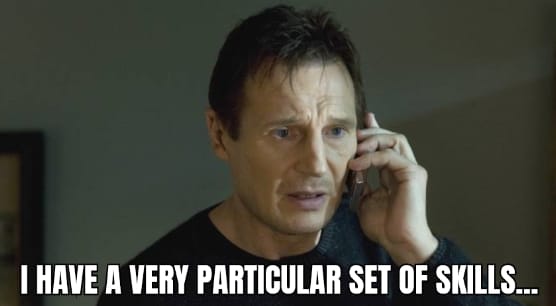
Weekly cheeky meme